A straightforward comparison of custom 3D-printed brackets versus conventional braces — and why the difference matters for your family
When most parents think about braces, they picture the same metal brackets that have been around for decades. Shiny metal, colored elastics, a wire running through the middle. It's a familiar image — and for most of orthodontic history, it was the only option.
LightForce changes that picture entirely. And understanding the difference between custom 3D-printed brackets and conventional braces could save your family months of treatment time, fewer appointments, and a noticeably better experience from start to finish.
What Makes Traditional Braces "Traditional"
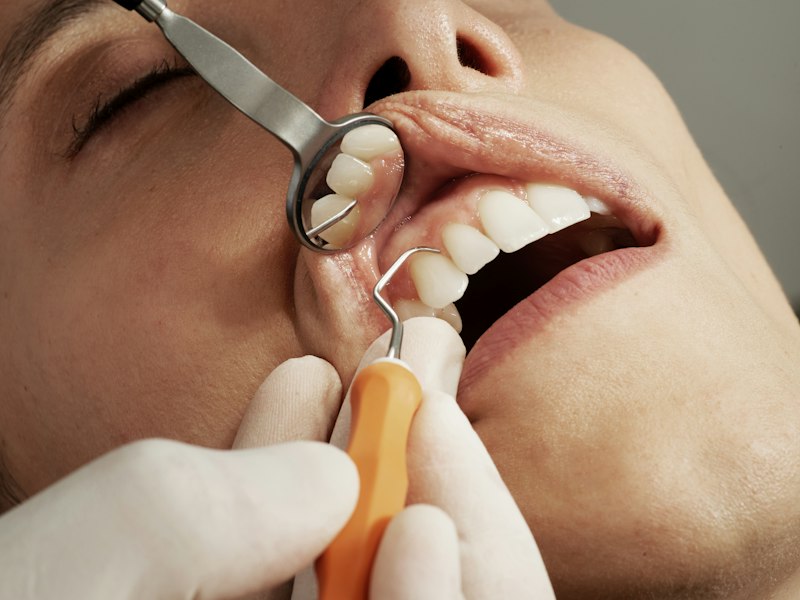
Conventional metal braces use brackets that are manufactured in bulk to fit a range of tooth shapes. They come in sizes — small, medium, large — and the orthodontist selects the closest fit for each tooth. The brackets are bonded to the tooth surface, a wire is threaded through them, and adjustments are made over time to guide the teeth into position.
This system works. It has worked for generations. But it has an inherent limitation: the brackets are designed for an average tooth, not your tooth. When a bracket doesn't fit perfectly, the forces it applies are less precise. The tooth moves, but not always in the most efficient path. More adjustments are needed. More appointments follow.
How LightForce Works Differently
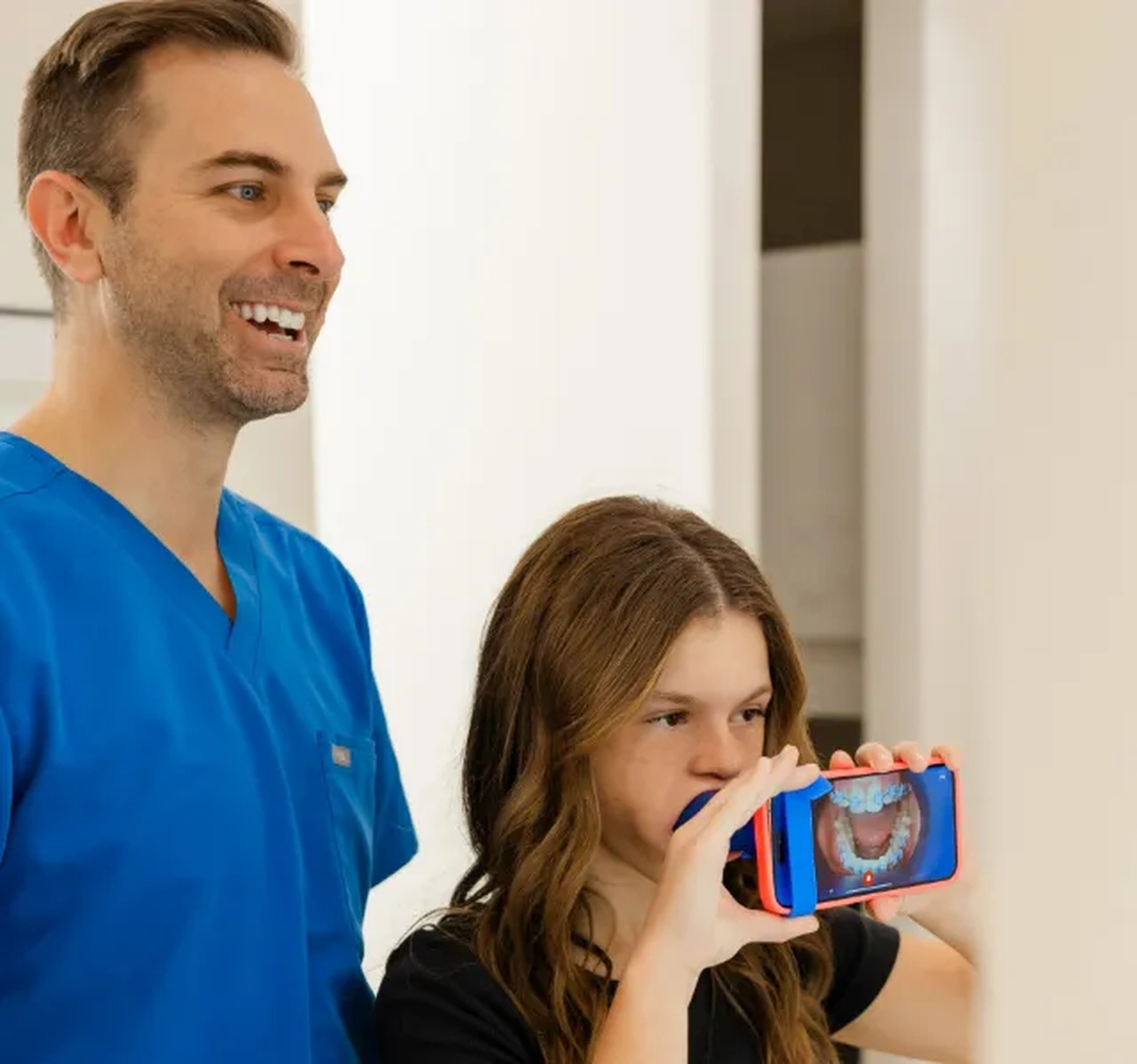
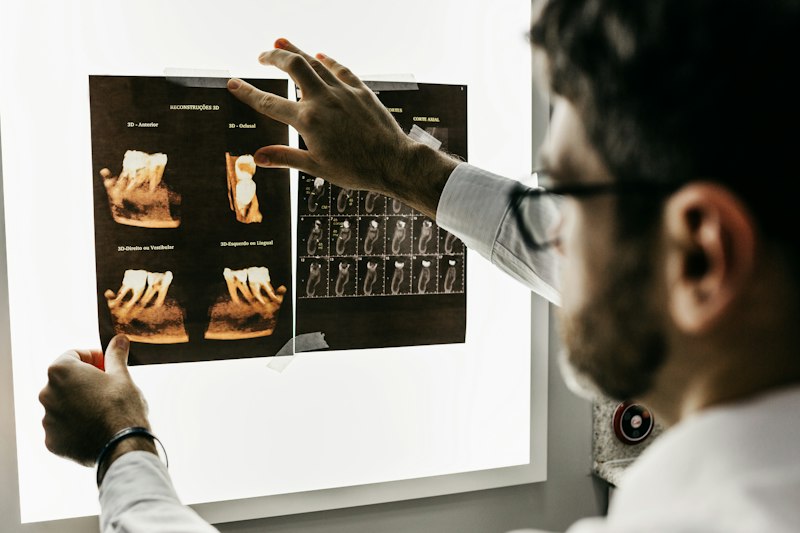
LightForce starts with a digital scan of your mouth — a precise 3D model of every tooth, captured in minutes without impression trays or discomfort. That model goes to the LightForce lab, where software designs a bracket specifically for each individual tooth surface.
The brackets are then 3D-printed in a ceramic material that matches the exact curvature and contour of your tooth. When they're bonded, they sit flush. The fit is precise in a way that mass-produced brackets simply cannot match.
The result is a bracket that applies force more accurately from the very first day. The tooth moves along the intended path more efficiently. Treatment progresses faster. And because the system is working more precisely, fewer mid-course corrections are needed — which means fewer appointments.
Side-by-Side Comparison
| Feature | Traditional Braces | LightForce Custom Braces |
|---|---|---|
| Bracket design | Mass-produced, generic sizing | 3D-printed to your exact tooth shape |
| Treatment planning | Adjusted reactively over time | Fully mapped digitally before treatment begins |
| Average treatment time | 18–24 months | Up to 45% faster |
| Appointment frequency | Every 4–6 weeks | Every 6–10 weeks with remote monitoring |
| Appearance | Silver metal | Tooth-colored ceramic option available |
| Remote monitoring | Not typically available | Compatible with Grin app |
Does LightForce Cost More?
This is the question every parent asks — and the answer at Larson Family Orthodontics might surprise you.
Dr. Larson has made a deliberate choice to offer LightForce at the same price as traditional braces. The reasoning is straightforward: if the technology produces better outcomes in less time with fewer appointments, why would we charge a premium for it? Advanced orthodontics shouldn't cost more. It should just be better.
This is part of what Dr. Larson calls the "Costco of Orthodontics" philosophy — transparent pricing, no upsells, and the best available technology included as the standard of care rather than an optional upgrade.
What About Clear Aligners?
Many parents ask whether they should consider clear aligners (like Invisalign) instead of LightForce braces. The honest answer is: it depends on the case.
Clear aligners are excellent for certain types of tooth movement, particularly in adults with mild to moderate crowding. They're removable, which some patients prefer. But for more complex cases — especially in growing children and teenagers — brackets and wires typically provide more precise control over tooth movement.
LightForce occupies a unique position: it offers the precision and control of traditional braces with the custom fit and efficiency that aligners are known for. For many patients, it's the best of both worlds.
At Larson Family Orthodontics, we also offer Angel Aligners for patients who are good candidates for clear aligner therapy. Dr. Larson will recommend the approach that's right for your specific case — not the one that's easiest to sell.
Questions to Ask at Your Consultation
Before committing to any orthodontic treatment, it's worth asking your provider a few direct questions:
- Are the brackets you use custom-fit to my teeth, or standard sizes?
- How many in-office appointments should I expect over the course of treatment?
- Do you use remote monitoring between visits?
- Is the pricing the same for LightForce as for traditional braces?
The answers will tell you a lot about the practice's philosophy — and whether their approach is built around your convenience or their workflow.
The Bottom Line
LightForce isn't a marketing gimmick. It's a clinically validated technology that produces measurably better outcomes for most patients. Faster treatment, fewer appointments, and a more comfortable experience — all at the same price as traditional braces at Larson Family Orthodontics.
If you're in Gilbert, Chandler, or Queen Creek and you're starting to think about orthodontic treatment for your child (or yourself), it's worth scheduling a free consultation to see exactly what the digital workflow looks like in practice. The scan alone is worth the visit.